

Services
Neuroadaptive Therapy
Helping your child take part in everyday life is at the heart of occupational therapy. Neuroadaptive Therapy combines activities tailored to your child’s needs with consideration of additional approaches, such as low-level laser or “cold light” therapy.
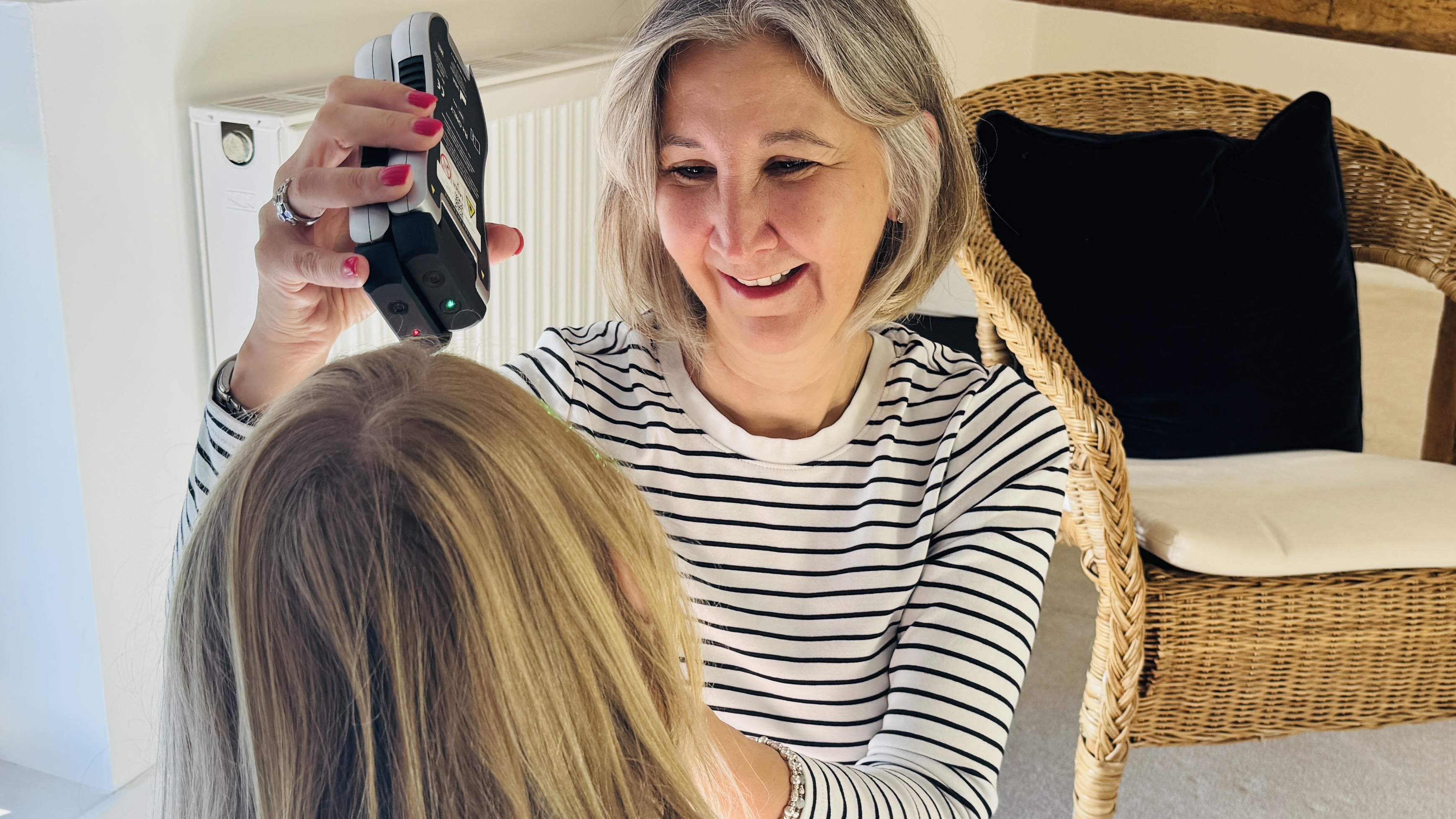
Cold light therapy, also called photobiomodulation, uses low-intensity light applied to targeted areas of the body. “Cold” means the treatment is designed to work without heating the tissues. Researchers are exploring how this light influences the way cells produce and use energy.
Its proposed role alongside OT is to support a child’s ability to engage in therapy and practise meaningful skills.
Play, movement, everyday activities and repeated practice remain central to your child’s therapy. Where light therapy is considered, it is an optional addition to an individual therapy plan, rather than a replacement for these experiences.
Shelley Birkett-Eyles offers Neuroadaptive Therapy™, bringing together specialist paediatric occupational therapy and low-level light therapy to support children’s participation in everyday life.
The programme combines individually tailored occupational therapy with photobiomodulation (PBM), also known as Low Level Laser Therapy (LLLT), delivered using the ERCHONIA Laser. This additional approach is intended to support regulation, engagement and readiness for therapy, although evidence for its benefits in children’s development is still emerging.
Designed around each child’s strengths, needs and interests, the programme keeps play, movement and practical activities at its heart. The aim is to help children engage in therapy and build skills for greater independence and participation at home, at school and in the community.
Who may benefit?
Our Neuroadaptive Therapy™ programme may be considered for children who experience difficulties with:
Sensory processing and regulation
Attention and engagement in everyday activities
Emotional regulation and managing transitions
Fine motor skills, including handwriting and using cutlery
Coordination, balance and planning movements
Everyday tasks such as dressing, washing and eating
Participation in play, learning and school routines.
This may include autistic children, children with ADHD or developmental coordination disorder (dyspraxia), and children with neurological conditions affecting daily activities.
Where PBM is considered, its suitability, potential risks and emerging evidence are discussed with parents before a recommendation is made.
Copyright © 2026 | Privacy Policy
